Your First Handgun: A Plain Guide to Choosing Well
A first handgun is bought once and lived with for years, so it is worth an hour of thought. Most people who regret their first pistol bought it for a reason that did not survive the first range trip: it was cheap, it was small, it was what a relative carried or what a film made look good. The buyers who are still happy a decade later bought something that fits their hand, that they can shoot well and that has a purpose they actually have. This guide walks through those decisions in order.
Start with the purpose
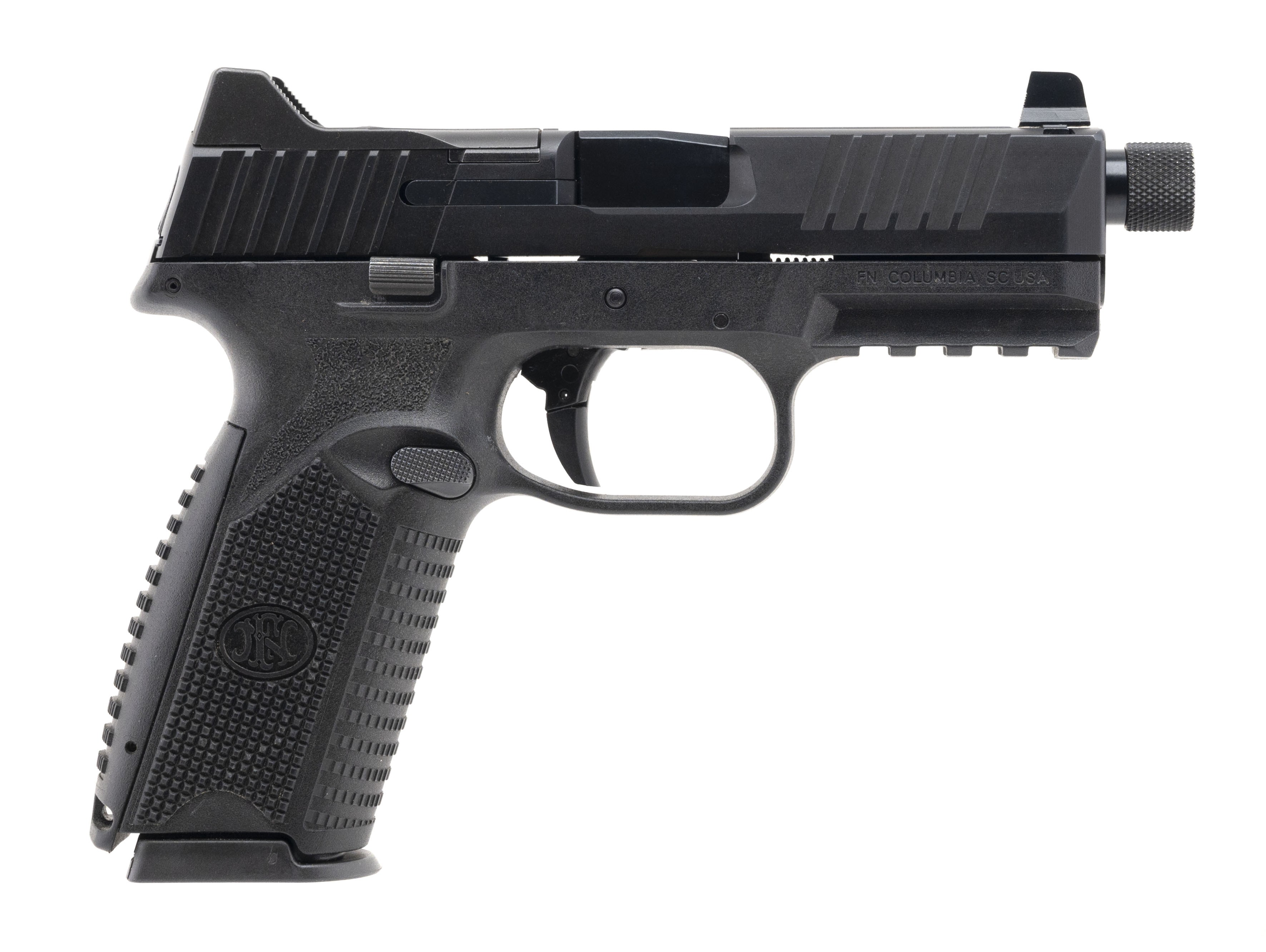
A handgun for the nightstand, a handgun to carry and a handgun for the range are three different sets of compromises. The home gun can be as large as you like, because it lives in a safe; size helps you shoot it well. The carry gun has to disappear under a shirt, which costs you sight radius, grip length and capacity. The range gun should be cheap to feed and pleasant to shoot for two hundred rounds at a time. Many people buy one gun to do all three and end up with a compact 9mm, which is the honest answer for most first buyers because it does each job acceptably. If you know the gun will never leave the house, buy the full-size version of the same pistol.
Calibre: why 9mm
Nine-millimetre is the answer for a first centerfire handgun and it is not close. It is the cheapest centerfire pistol cartridge to practise with, every maker builds its best pistols around it, modern hollow-point ammunition performs as well as the larger calibres in tests, and the recoil is manageable for almost any adult. Forty-calibre and .45 ACP cost more to shoot and kick harder for no practical gain to a new shooter; .380 is easier to shoot only in a gun of the same size, and small .380s are often snappier than a compact 9mm. A .22 pistol is the best training tool ever made and a fine second purchase, but it is not the right first defensive gun.
Action: striker-fired, hammer-fired, revolver
Most modern pistols are striker-fired with a consistent trigger pull from the first shot to the last and no external safety or a small one. That consistency is why they are recommended to new shooters. Hammer-fired double-action pistols have a long first pull and short later ones, which takes practice. Revolvers are simple, tolerant of neglect and have no magazine to fail, but they hold five or six rounds, their double-action triggers are heavy, and they are harder to shoot well than the marketing suggests. A revolver is a reasonable first gun for someone who will not practise much; a striker-fired 9mm is the better gun for someone who will.
Fit: the part most people skip
A pistol fits when you can take a firm two-handed grip with the trigger finger reaching the trigger's centre without stretching, the slide release within reach of a thumb, and the web of the hand high under the beavertail without the slide biting it. Handle several. Small hands generally fit slim single-stack or the new micro-compact double-stack designs; large hands want a full-size frame. Interchangeable backstraps help. Fit matters more than brand, and it cannot be judged from a photograph.
Size classes
- Full-size: five-inch or four-and-a-half-inch barrel, seventeen or more rounds. Easiest to shoot; hardest to carry.
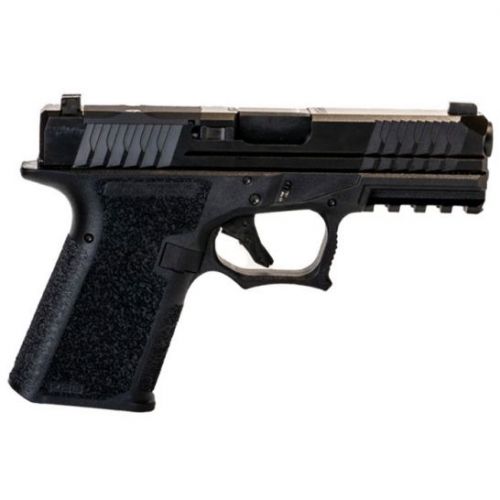
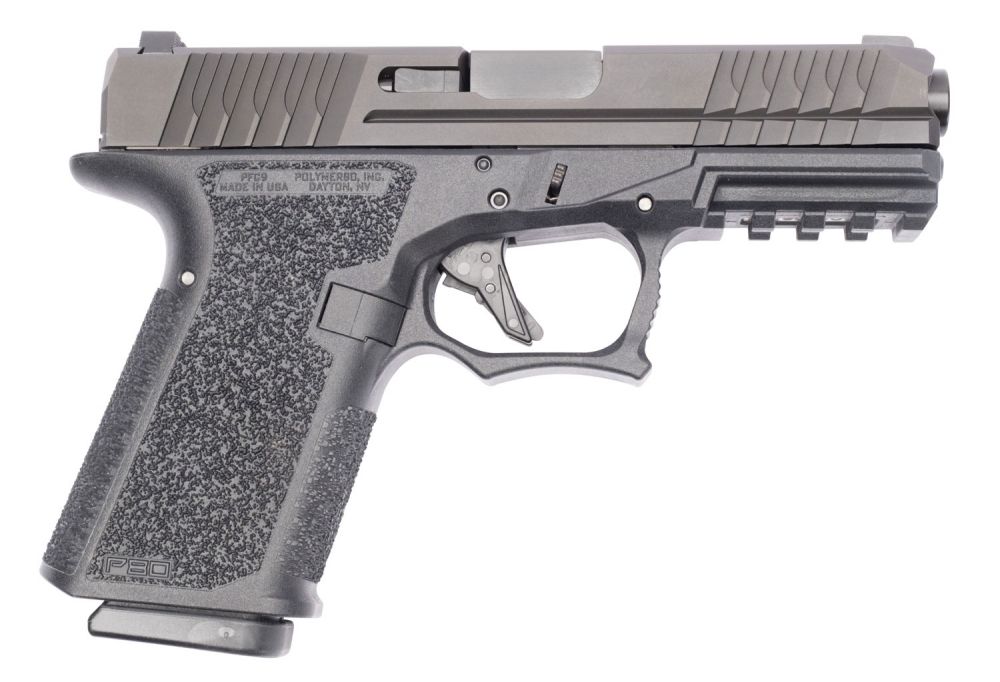
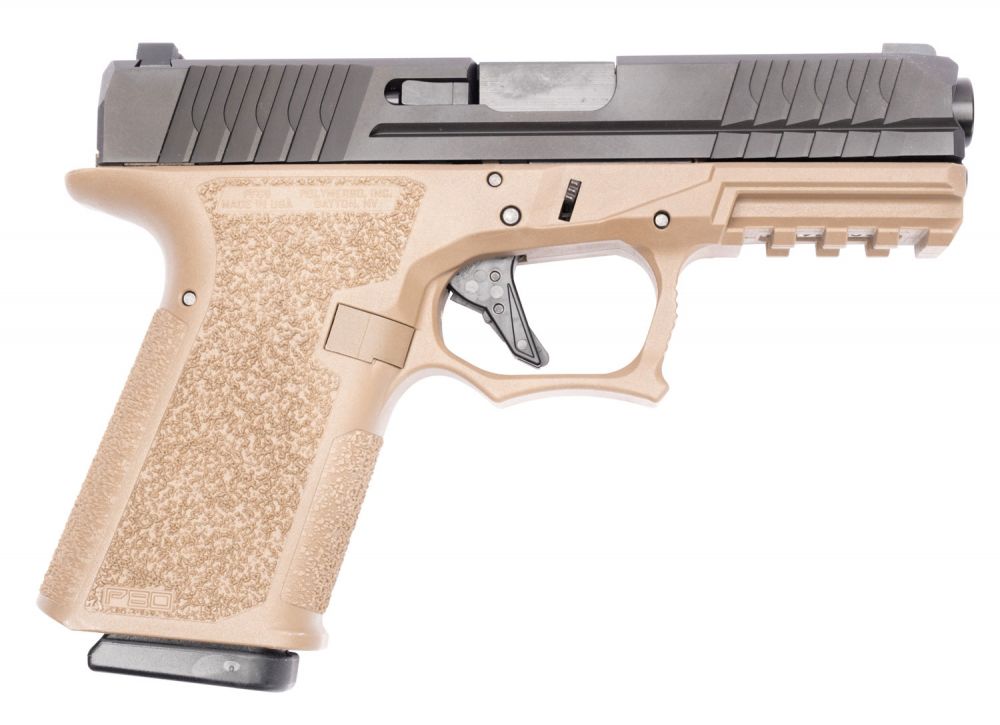
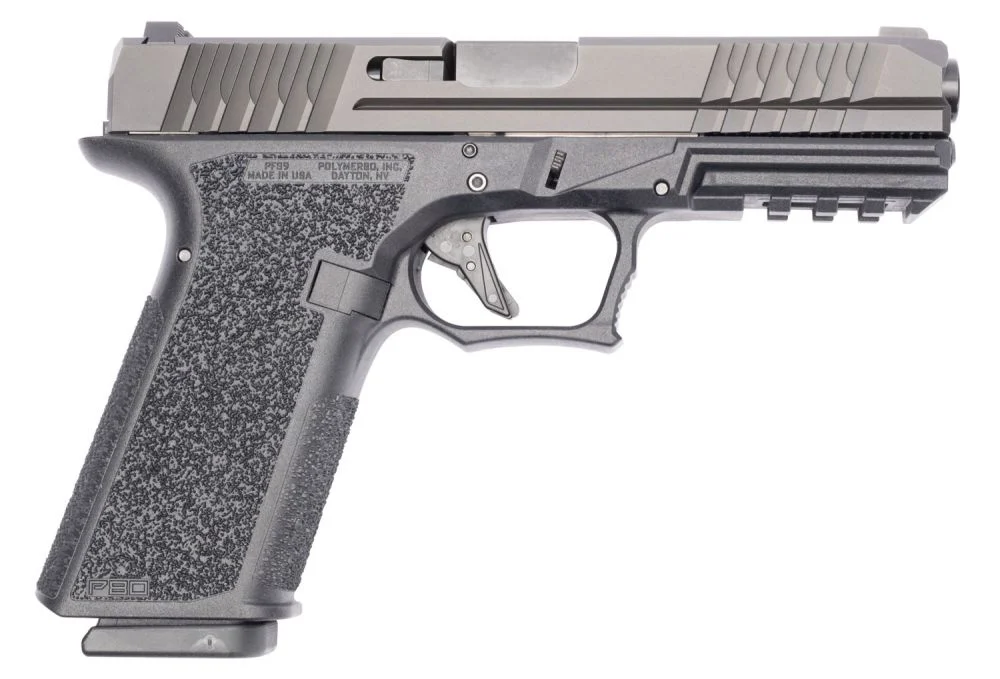
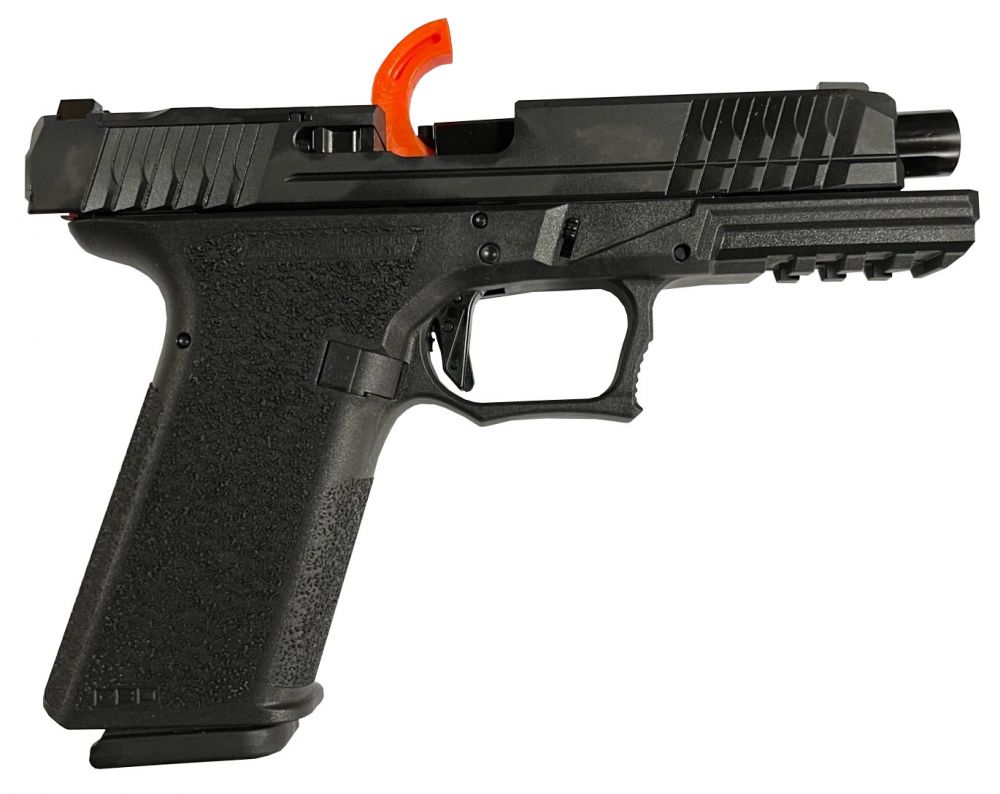
- Compact: four-inch barrel, fifteen rounds. The all-round choice and the most common first gun.
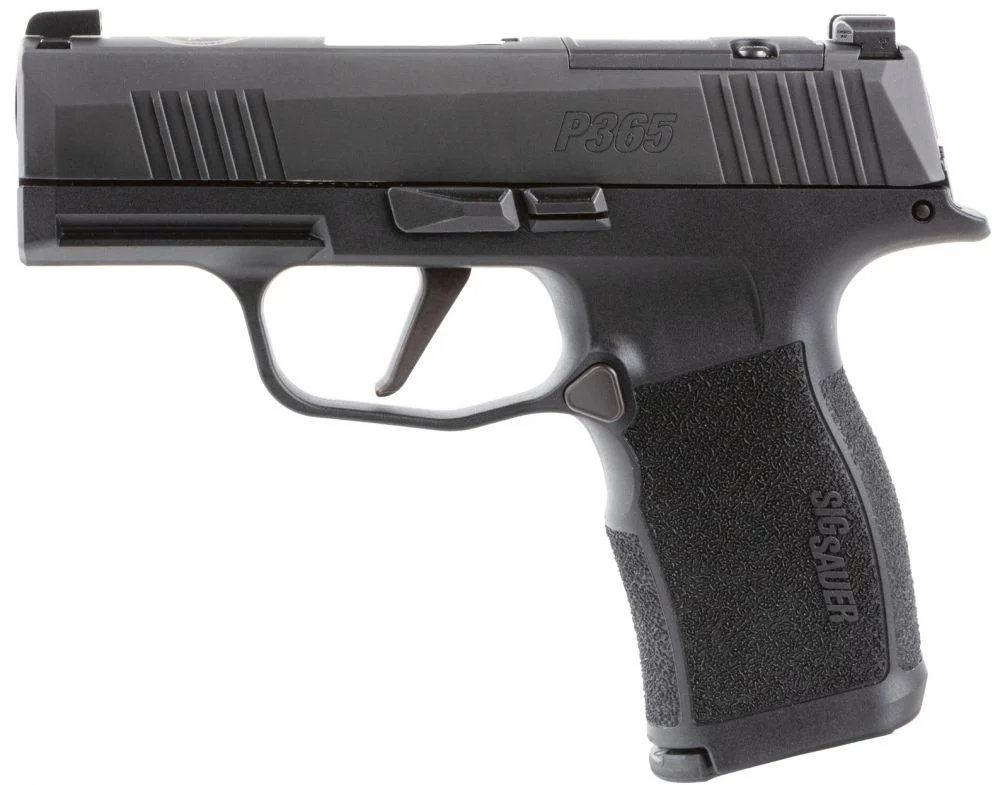
- Micro-compact: three-inch barrel, ten to thirteen rounds in a slim frame. Carries well, shoots better than its size suggests, snappier in recoil.
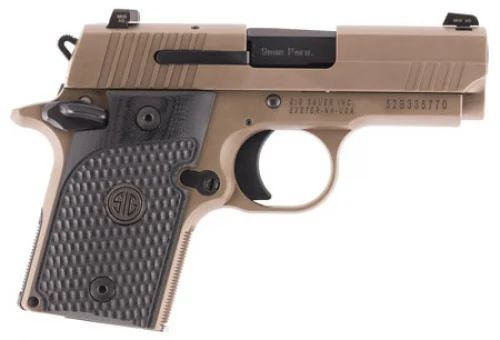
- Subcompact single-stack: six to eight rounds, very small. Easy to carry, hardest to shoot well.
Try before you buy
Many indoor ranges rent pistols. Renting three compacts from different makers for an afternoon costs less than a bad purchase. Shoot fifty rounds through each, at a target five yards away, slowly. The gun that puts them in a fist-sized group with the least effort is the one to buy, whatever the brand. If you cannot rent, at least handle the candidates at a counter with an empty magazine inserted and dry-fire them where the shop allows it.
Sights and optics
Factory plastic sights on budget pistols are the first thing to replace. Night sights or a bright fibre-optic front help most people. Optics-ready pistols with a slide cut for a red dot have become the norm, and a dot is easier for a new shooter to learn than iron sights because the eye stays on the target. Buying an optics-ready model costs little extra and leaves the choice open.
What to buy with it
A quality holster that covers the trigger guard, even for a home gun; a lock box or a safe; two spare magazines; a box of the hollow-point ammunition you will keep loaded and several boxes of cheap practice ammunition in the same weight; eye and ear protection. Skip the laser and the extended magazine until you have shot the gun as it came.
Learning to shoot it
A single lesson with an instructor is the best money a new owner spends. Failing that, start at three yards, not fifteen; learn the grip, the trigger press and the reset with slow fire; and dry-practise at home with the ammunition in another room. Two hundred rounds a month for the first six months turns a nervous owner into a competent one.
Browse pistols and compact nines in the catalogue, read how an online purchase works, and see your town's rules and nearest public range on the city pages.
General information, not legal advice. Current as of September 2026. Laws change; check the official source before you act.